
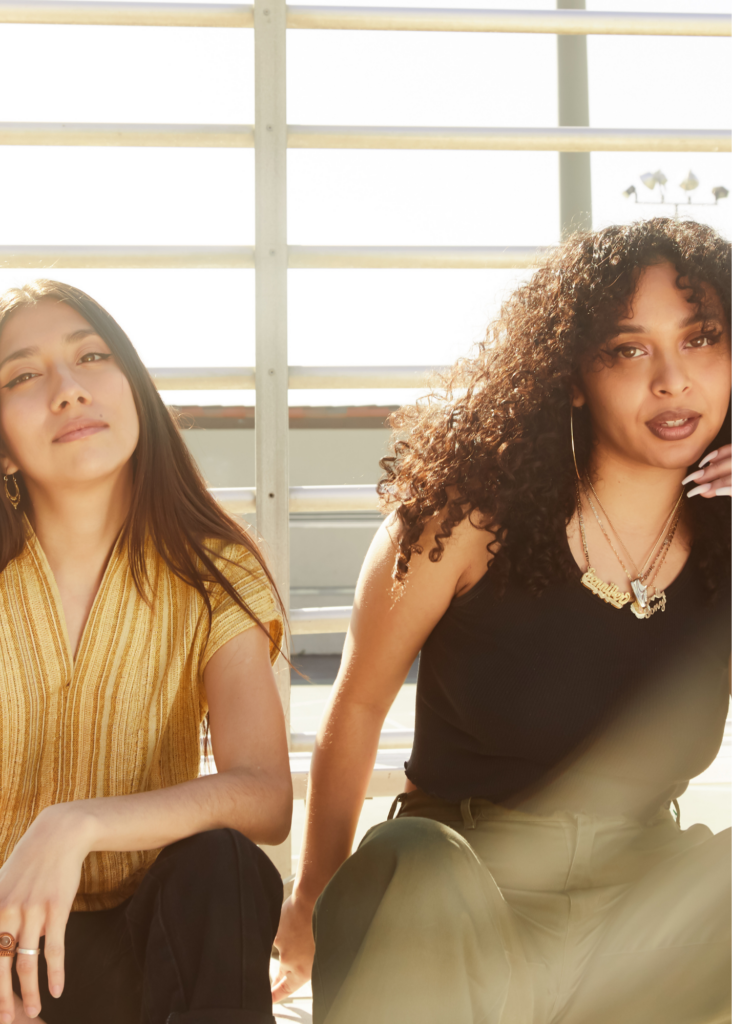
I am kicking off this blog post by giving a shoutout to all the Latinas reading this on National Latina Day! And an extra special shoutout to my sisters and mom. They are the women that had the greatest impact on my Latina identity growing up.
This National Latina Day has me thinking about recent conversations with my mom. Our latest calls have ended with her wondering how me and my siblings find the time to balance personal hobbies, self-care, and high demanding careers. She states, “¿Como le hacen para trabajar, ir al gimnasio, y aún así, tener tiempo para salir a pasear?” (How do y’all go to work, the gym, and still have time to go out?)
But if you ask me, the issue is not time management. Latina moms are the queens of squeezing every minute of the day to get things done. My theory is that like my mom, a recent empty nester, many Latina women are wired to prioritize others’ needs before their own. Self-sacrifice and servitude are glorified values that grant women the Good Latina badge.
What is Marianismo?
In a 2023 blog post titled, Unmasking Marianismo: The Silent Pressure on Latinas, therapist Christine Leone discussed how Marianismo stemmed from Roman Catholic beliefs. The Virgin Mary (La Virgen de Guadalupe) is framed as the model Latina women should aspire to imitate. This idealized traditional gender role centers family harmony and household duties as the responsibility of the woman. Additional expectations of Latina women include upholding the values of submissiveness, obedience, purity, and selflessness.
“Marianismo shows up in the expectation to be a strong-willed woman but not the kind of strong that makes you difficult to manage.”
But Marianismo is not a handbook every girl gets during her quinceañera. It shows up in the piercing glares from las tías when you don’t help serve food at family parties. The nudge from mom demanding you say hi to every person in the room (regardless if you know them). An uncle scolding you for living with roommates instead of a husband. Let’s not forget the long lectures on bearing your own biological children. Marianismo shows up in the expectation to be a strong-willed woman but not the kind of strong that makes you difficult to manage.
Latina Mental Health
I can already picture eye rolls from the Latina women labeled “rebeldes” for questioning expectations. I wish eye rolls could shield the guilt and shame that come from being told how women should behave. The reality is, traditional gender roles do more than shame and guilt-trip women into being the epitome of la Virgen Maria. Nuñez et. al (2016) published a research article where they examined negative cognitive-emotional factors (depression, anxiety, anger and others) that result from the cultural concepts of Marianismo and Machismo. Machismo is the set of cultural values and gender norms expected of Latino men (a topic that deserves its own blog post).
The article emphasized that while there is limited research available on the impact of Marianismo on Latina mental health, available studies demonstrated consistent increased levels of psychological burdens, mistrust, and lesser emotional wellbeing to name a few. It’s important to note that the impact of the Marianista gender norm varies by individual and family. Determinants such as personal values, migration story, family support, and financial status impact how Marianismo is viewed and applied in each household. Regardless of how Marianismo shows up in each family, the pressure to prove their womanhood still lingers for many Latina women.
Redefining Latina Cultural Identity
Like in my last two blog posts (A Message to the Eldest Daughters and The Emotional Weight of Family Expectations in Latine Culture), I emphasize that beauty and richness can live within the family roots. To honor our lineage is to learn what some of the family values, expectations, and cultural practices provided our ancestors. Marianismo and the influence on the Latina identity is no different. While there is strength in being nurturing, el hogar, and even selflessness, the degree to which women embody Marianismo is theirs to decide.
For those who want to explore new traditions, shift gender norms, or are curious about creating balance, consider these options:
- Is it Helpful or Hurtful. Just because gender norms are naturally integrated into family traditions doesn’t mean they automatically work for you. Examine which ones you connect with and which ones you prefer to change.
- Shift your Language. Our words sets the tone for expectations. For example, “my partner helps me with the house chores” implies the house duties are your primary responsibility. “My partner does their part in the house chores” implies the house duties are a shared responsibility.
- Small Acts of Revolution. Not to be confused with passive-aggressiveness. I mean, exercise choice. Pick the order you choose to do things. Who will you greet first, how do you show up, for how long? Get creative!
- The Identity Outside of Family. Yes, you are a sister, daughter, prima, tía, niece, mom, amiga. All beautiful roles within family circles. But who are you as a human and mujer? What brings you peace, what sceneries bring you joy, where do you feel the whole you?
Latina Self-Worth
“¿Como le hacen para trabajar, ir al gimnasio, y aún así, tener tiempo para salir a pasear?”
The moral of this question is not about making the time. It’s about Latina women being made to feel like they don’t deserve time for personal fulfillment. Especially if that means taking attention away from their family obligations and home responsibilities. Traditional gender norms have normalized self-sacrifice as the ultimate act of loyalty. But at what expense? If there’s at least one message you take from this read, I hope it’s that worth comes from how you feel about yourself. Not by how much you do for family, how much you achieve, or how well you live up to the “good Latina” identity.
Con cariño,
Viridiana Zendejas
References:
Nuñez A, Gonzalez P, Talavera GA, Sanchez-Johnsen L, Roesch SC, Davis SM, Arguelles W, Womack VY, Ostrovsky NW, Ojeda L, Penedo FJ & Gallo LC (2016). Machismo, Marianismo, and Negative Cognitive-Emotional Factors: Findings from the Hispanic Community Health Study/Study of Latinos Sociocultural Ancillary Study. J Lat Psychol. 4(4): 202–217. doi: 10.1037/lat0000050